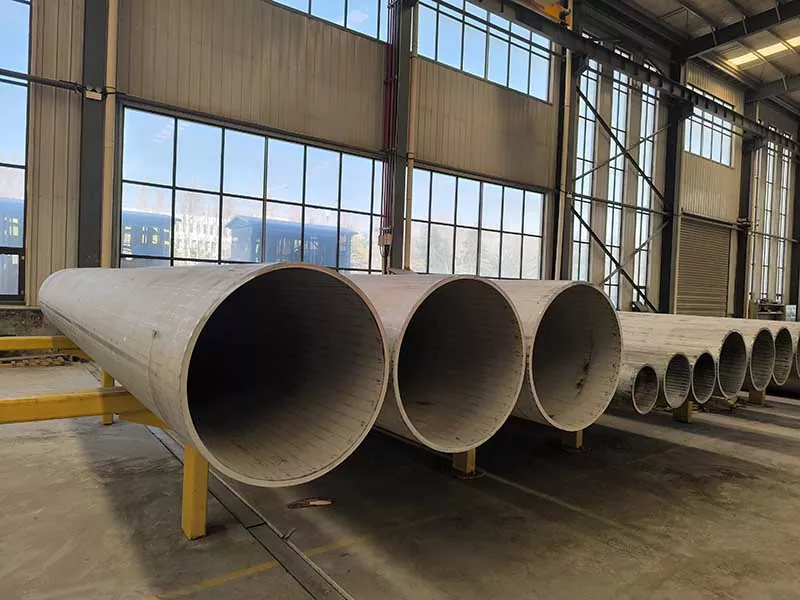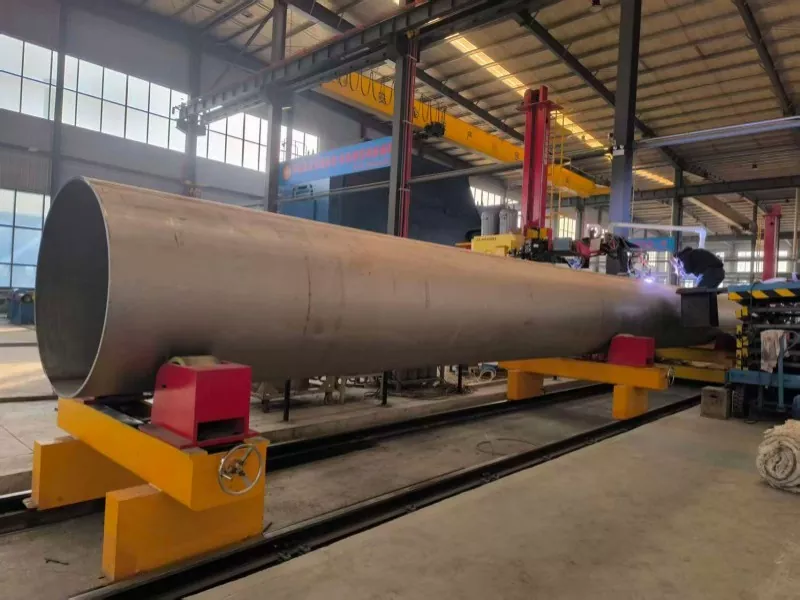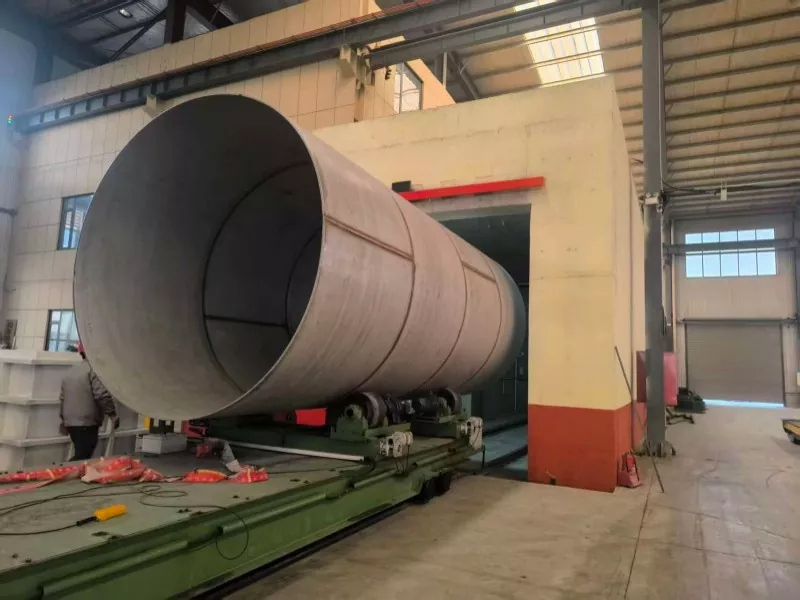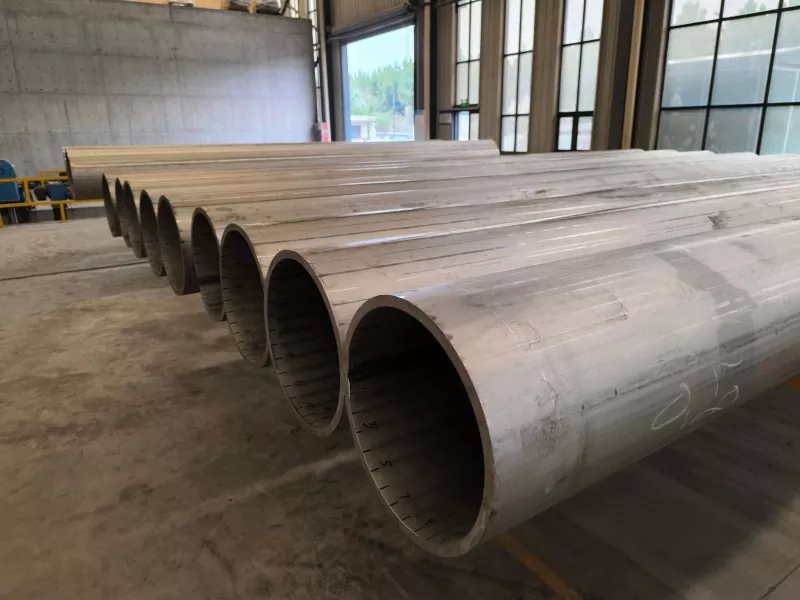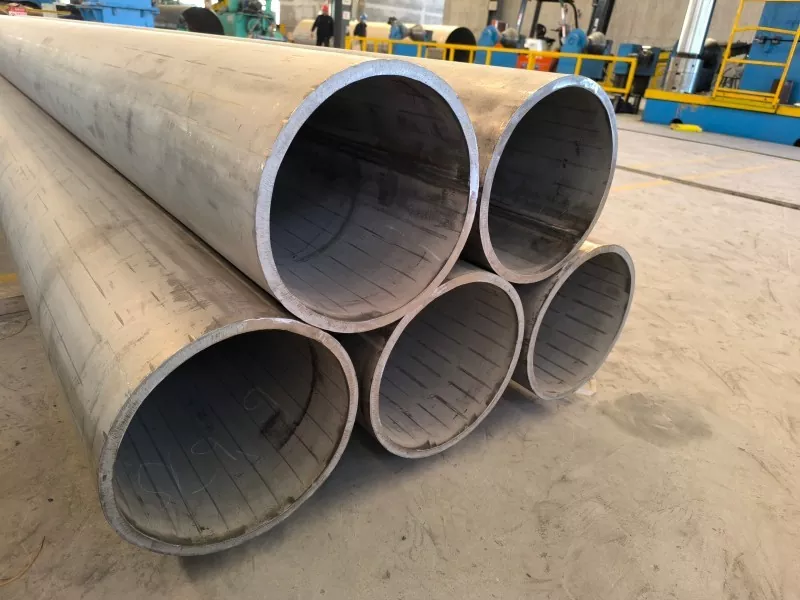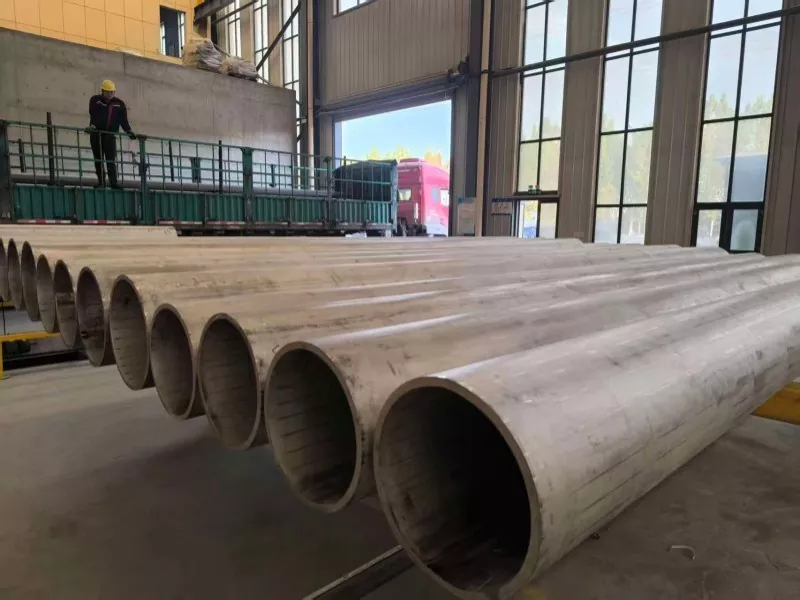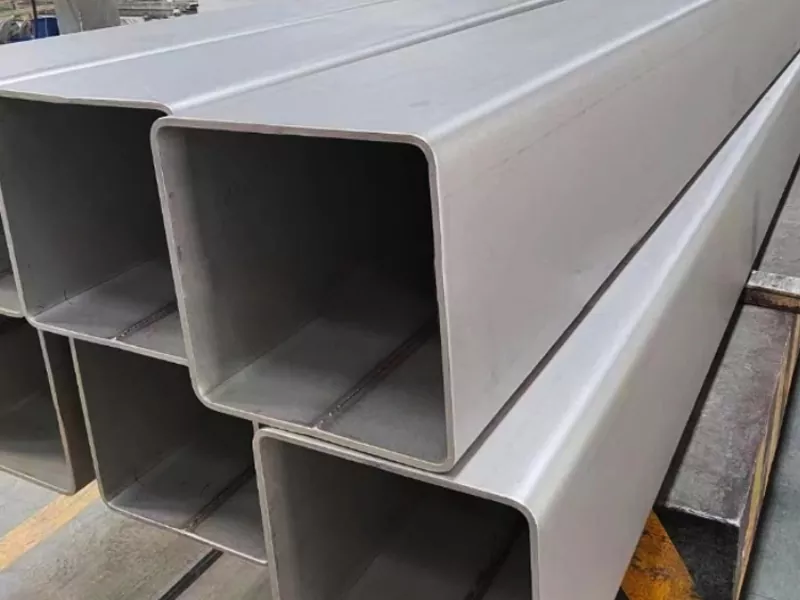
Stainless Steel Welded Pipe
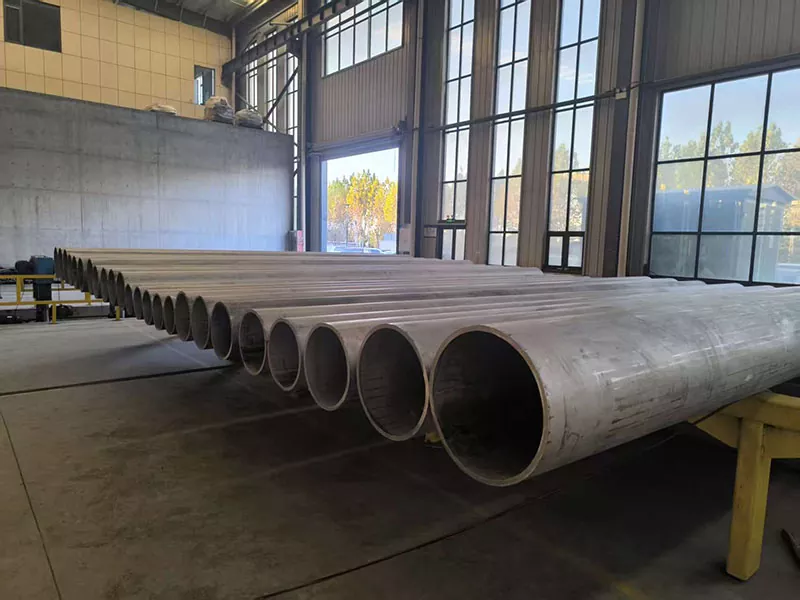
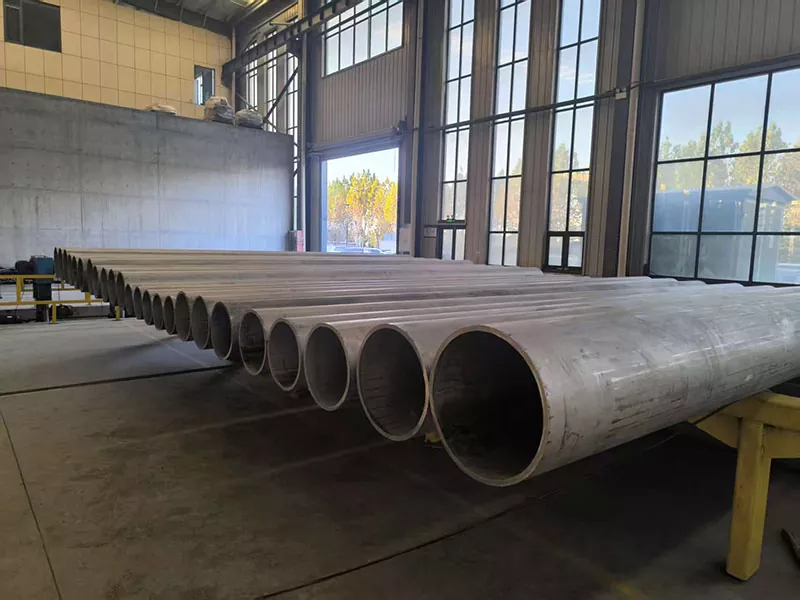
Oil and gas operations stretch across some of the most unforgiving environments on earth—from the frozen tundra to the deep seafloor, from sun-scorched deserts to high-pressure processing plants. In these settings, a pipeline is not just a conduit; it is the lifeline of continuous production. Even a minor failure can lead to catastrophic downtime, environmental damage, and enormous financial loss. That’s why Shiwei Industry And Trade Group Co., Ltd. has devoted decades to perfecting a product that meets these challenges head-on: our advanced Stainless Steel Welded Pipe for Oil and Gas.
If you’ve ever walked a pipeline inspection route or monitored pressure gauges at 3 a.m., you know the anxiety that creeps in when a weld seam is under stress. Corrosion pits, pinhole leaks, fatigue cracks—these are the nightmares that keep engineers awake. The truth is, many traditional welded pipes struggle with the intense thermal cycling, acidic fluids, and mechanical loads inherent in oil and gas service. But our pipe is fundamentally different. We build every length as if it were going into a high-pressure gas trunkline or a sour service gathering system, because we know your reputation depends on it.
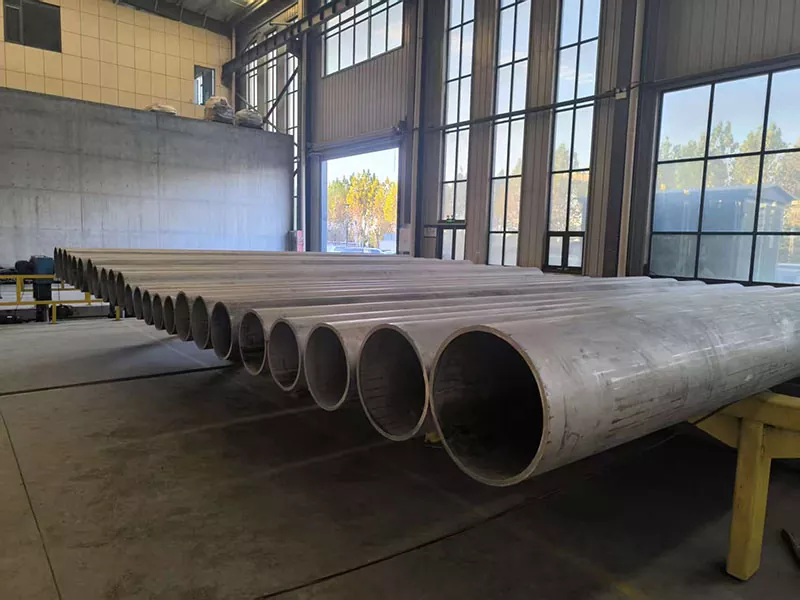
The journey of a Shiwei Industry And Trade Group Co., Ltd. welded pipe begins long before the first arc is struck. We source only prime stainless steel coils from world-class mills, with mill test certifications that verify chemical composition and mechanical properties down to the parts per million. Grades like 304/304L, 316/316L, duplex 2205, and super duplex 2507 are kept in stock, because the oil and gas industry doesn’t wait for material to be custom-rolled.
Our welding process combines state-of-the-art automated plasma or TIG welding with real-time monitoring. Each weld pool is controlled within microns, and the heat-affected zone is minimized to preserve the inherent corrosion resistance of the stainless steel. Immediately after welding, the bead is carefully conditioned—both inside and out, where the pipe’s ID is critical for smooth flow and resistance to under-deposit corrosion. Then comes the multi-step non-destructive testing (NDT) that leaves no room for guesswork: eddy current, ultrasonic, and in many cases, radiographic inspection of the weld seam. This isn’t batch sampling; it’s 100% inspection because the zero-failure mindset is ingrained in everything we do.
Shiwei Industry And Trade Group Co., Ltd. operates ISO 9001, ISO 14001, and OHSAS 18001 certified facilities, and our welded pipes meet or exceed the most stringent international standards: ASTM A312, A358, A778, ASME B36.19, and NACE MR0175 for sour service. What does that mean for you? Consistency. Every single pipe you receive from us will be dimensionally exact, with a uniform wall thickness and a fully traceable heat number linking it back to its parent coil and test reports. That traceability is gold when you’re qualifying a new piping class or responding to a regulator’s audit.
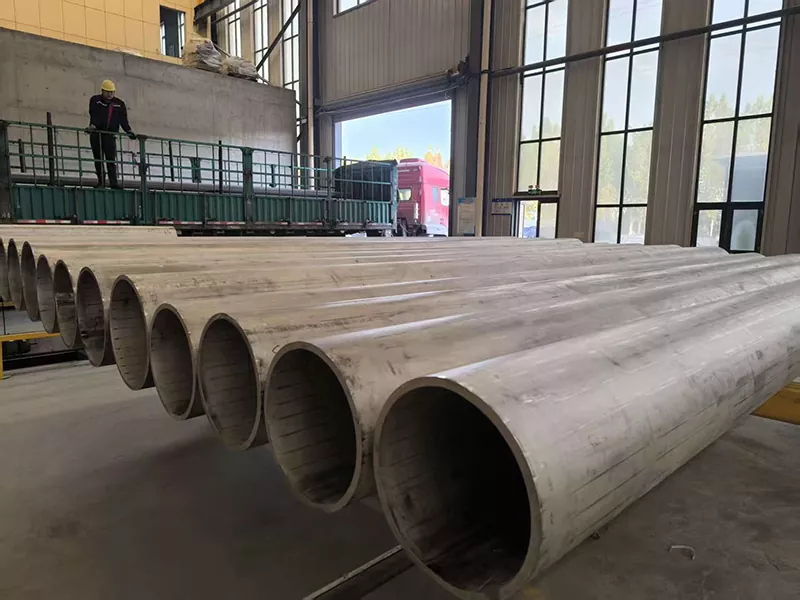
Imagine a midstream gas gathering network running through rolling hills where the soil is moist and slightly acidic. The carbon steel pipelines laid a decade ago are showing external corrosion, and internal sweet corrosion is eating away the wall thickness from the inside. Replacing them with our 316L stainless steel welded pipe for oil and gas eliminates the need for constant chemical inhibition programs and dramatically extends the interval between intelligent pigging runs. The smooth bore reduces friction loss, which means lower pumping costs over the life of the asset.
Now shift to a refinery where a crude distillation unit operates at 350°C and handles high-sulfur feedstock. The heat exchanger piping must withstand sulfidic corrosion and thermal fatigue. Our duplex 2205 welded pipes offer the perfect balance of high strength and chloride stress corrosion cracking resistance, allowing for thinner walls and lighter support structures without sacrificing safety margin. The welded construction provides a cost-effective alternative to seamless pipe, especially in larger diameters where seamless becomes prohibitively expensive. And because our longitudinal weld is fusion-bonded to the point that the base metal and weld metal are virtually indistinguishable under a microscope, the structural integrity equals that of a seamless product.
Offshore, every square foot of deck space is expensive, and every kilogram of weight demands more buoyancy modules or tensioners. Our stainless steel welded pipes are produced with tight wall thickness tolerances, meaning you don’t have to over-engineer just to account for manufacturing scatter. The result is a lighter, more predictable topside piping system that installs faster and requires less structural steel reinforcement. For subsea flowlines and risers, our super duplex welded pipes combine exceptional strength with the resistance to pitting and crevice corrosion demanded by deep, cold seawater saturated with CO₂ and H₂S.
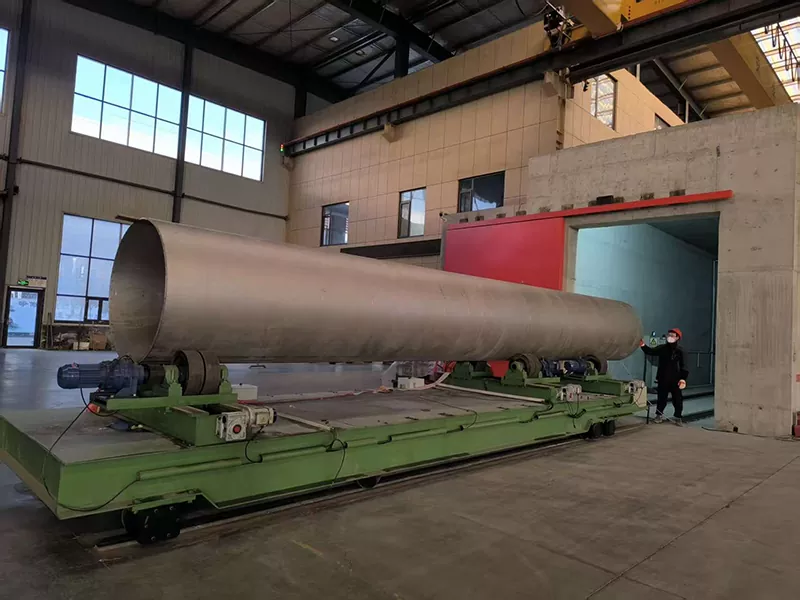
Selecting the right pipe for an oil and gas project means having precise data at your fingertips. Below is a representative overview of our standard product range. Custom diameters, thicknesses, and lengths are available upon request, and our engineering team can assist with material selection for highly specific process conditions.
| Parameter | Standard Range | Optional/Custom |
|---|---|---|
| Outer Diameter (OD) | ½” (21.3 mm) – 36” (914 mm) | Up to 60” (1524 mm) for specialized projects |
| Wall Thickness | SCH 5S to SCH 160 (approx. 1.65 mm – 46 mm) | Custom thicknesses for high-pressure design |
| Material Grades | TP304/304L, TP316/316L, TP321/321H, TP347/347H, Duplex S32205, Super Duplex S32750 | Special alloys (e.g., 904L, 6Mo) upon inquiry |
| Length | 6 m or 12 m fixed lengths, or random lengths | Cut-to-length service available |
| End Finish | Plain end (PE), beveled end (BE) to 30° | Threaded, grooved, or flanged ends prepared in-house |
| Testing | 100% NDT (eddy current or ultrasonic), hydrostatic test per ASME B31.3 | Radiographic test (RT) of weld seam, PMI, ferrite measurement |
| Certifications | EN 10204 3.1, material traceability | 3.2 certification by third-party inspector, NACE MR0175 compliance |
Every shipment from Shiwei Industry And Trade Group Co., Ltd. includes full documentation packages that expedite your receiving inspection and ensure full compliance with project specifications.
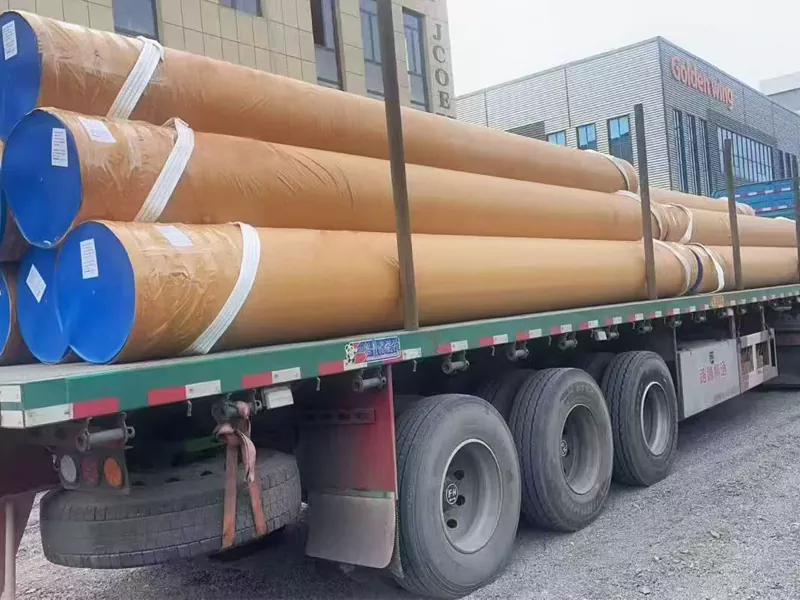
You might be thinking, “I can buy stainless steel welded pipe from dozens of suppliers.” That’s true, but the difference reveals itself when you’re under pressure—literally and figuratively. At Shiwei Industry And Trade Group Co., Ltd., we don’t just sell pipe; we deliver assurance. Our technical support team includes metallurgists and welding engineers who will review your service conditions and help you select the optimal grade and welding procedure. Need a pipe to withstand wet H₂S at 120°C and 300 bar? We will walk you through the NACE guidelines and recommend whether a standard 316L or a higher alloy duplex is truly necessary, saving you money without compromising safety.
We also understand that project schedules in the oil and gas sector are unforgiving. A delayed shipment can cascade into costly rig standby charges or liquidated damages. That’s why we maintain one of the largest inventories of stainless steel welded pipe in the region, with popular dimensions pre-cut and tested, ready to ship within 48 hours of order confirmation. For large-scale projects, our production planning team collaborates directly with EPC contractors to phase deliveries in line with construction milestones, reducing on-site congestion and inventory carrying costs.
Our end customers range from national oil companies and international supermajors to independent EPC firms and local fabricators. They all share one common need: a pipe supplier who treats their project as seriously as they do. With Shiwei Industry And Trade Group Co., Ltd., you get more than a product—you get a partner invested in your operational success.
What makes a welded stainless steel pipe suitable for sour service (H₂S environments)?
For sour service, the pipe material must conform to NACE MR0175/ISO 15156, which sets limits on hardness and requires specific heat treatment conditions to prevent sulfide stress cracking. Our welded pipes intended for sour service are manufactured from specially processed coils with controlled chemistry and are subjected to stringent hardness testing across the base metal, heat-affected zone, and weld metal. We provide a full material test report confirming compliance, and upon request, can include hardness traverses and SSC test coupons from the same weld procedure.
How do you guarantee the longitudinal weld strength is as good as seamless pipe?
The weld is an autogenous fusion bond, meaning the edges of the strip are melted and fused without filler metal (in most small diameters) or with an over-alloyed filler that exceeds the base metal properties. Our weld seams consistently exceed the minimum tensile strength of the base material when tested under ASME Section IX. The combination of automated welding with precise parameter control, post-weld heat treatment when required, and 100% non-destructive inspection ensures that the weld joint is capable of withstanding the same internal pressure and cyclic loading as the parent material. For critical applications, we can provide sectioned macro-etch specimens and transverse guided bend tests to demonstrate the integrity.
Can I use this pipe in subsea applications, such as jumpers or flowlines?
Absolutely. We regularly supply super duplex stainless steel welded pipes for subsea projects. These pipes are manufactured with stringent dimensional controls (especially roundness and wall thickness uniformity) to withstand external hydrostatic collapse pressures at depths beyond 2,000 meters. The pipes undergo a full range of tests including hydrostatic pressure tests, ferrite content measurements to ensure the duplex structure is balanced, and corrosion tests per ASTM G48 to verify pitting resistance. Combined with proper welding during installation, our pipes have a proven track record in harsh deepwater environments.
What is the difference between 304 and 316 Stainless Steel Welded Pipe for Oil and Gas applications?
Both are austenitic stainless steels, but 316 contains 2-3% molybdenum, which significantly enhances resistance to chlorides and acidic media common in oil and gas. Grade 304 is suitable for general process fluids where chlorides are minimal, such as clean fuel gas or instrument air. For any environment containing seawater, brackish water, or process streams with even moderate chloride levels, 316L is the minimum recommended grade to avoid pitting and crevice corrosion. For warm, high-chloride environments (like many produced water systems), duplex or super duplex becomes essential. Our application engineers can help you select the most cost-effective option that will last the intended design life.
How does Shiwei Industry And Trade Group Co., Ltd. handle urgent orders?
We understand that downtime in oil and gas operations is catastrophic. Our hotline is available 24/7 for expedited requests. Standard sizes and material grades are maintained in significant inventory at multiple distribution centers, allowing us to ship within 24-48 hours. For non-stock items, our manufacturing flexibility means we can often insert your order into the production schedule within a week, far faster than typical mill lead times of 8-12 weeks. We also offer dedicated logistics coordination, including air freight if necessary, to keep your project moving.
Do you supply the pipe with any protective coatings or linings?
Yes. While stainless steel is inherently corrosion resistant, some buried or submerged installations benefit from an additional protective layer, such as a 3-layer polyethylene (3LPE) or fusion-bonded epoxy (FBE) coating. We can arrange for these coatings to be applied at certified facilities before delivery. Internally, for highly aggressive fluids, we can provide pipes with internal epoxy or PTFE linings designed to withstand specific temperatures and chemical attacks. All coatings and linings are applied under strict quality control to ensure adhesion and holiday-free coverage.
What documentation and traceability do you provide with each shipment?
Every pipe is marked with a unique heat number, and we provide certificates in accordance with EN 10204 Type 3.1 as a minimum. This package includes the chemical composition, mechanical properties (yield, tensile, elongation), hardness values, corrosion test results (if applicable), and NDT results for each production lot. For projects requiring enhanced traceability, we offer Type 3.2 certification with witness testing by a third-party agency such as Bureau Veritas, Lloyd’s Register, or DNV. All documentation is available in digital format for easy integration into your quality management system.
Every joint of our stainless steel welded pipe for oil and gas arrives on site with more than metal—it carries the dedication of a company that lives by the principle that good enough is never good enough. When you specify Shiwei Industry And Trade Group Co., Ltd., you’re opting for precision engineering, rigorous testing, and a support network that extends well beyond the point of sale. The environments you work in demand resilience; our pipe delivers it. Explore how our solutions can transform your next project by reaching out to our team today.