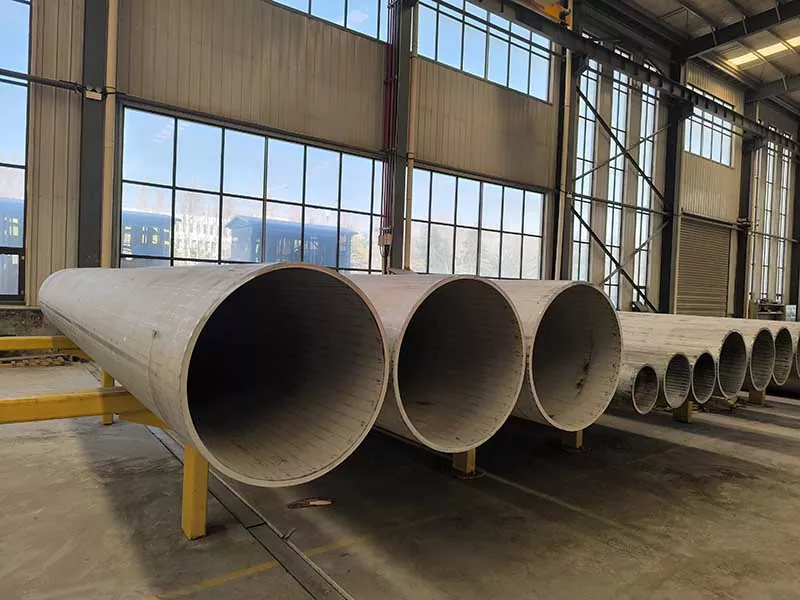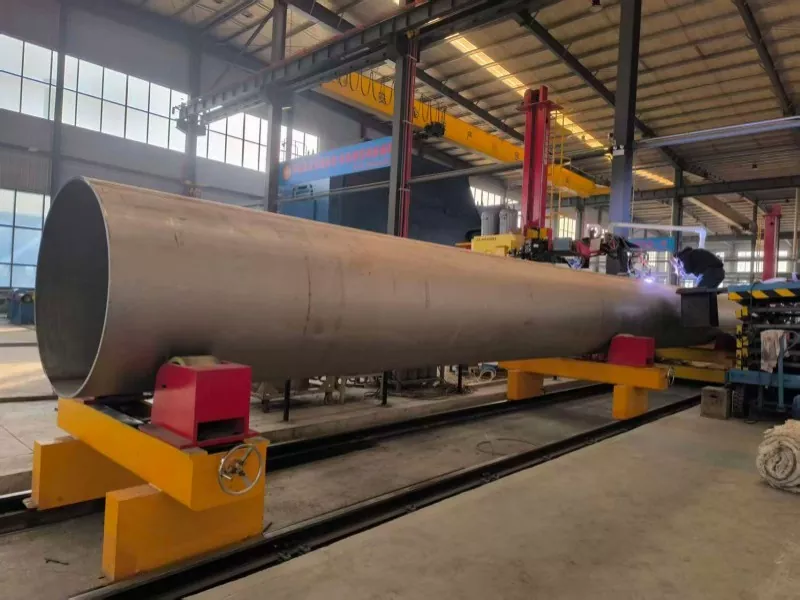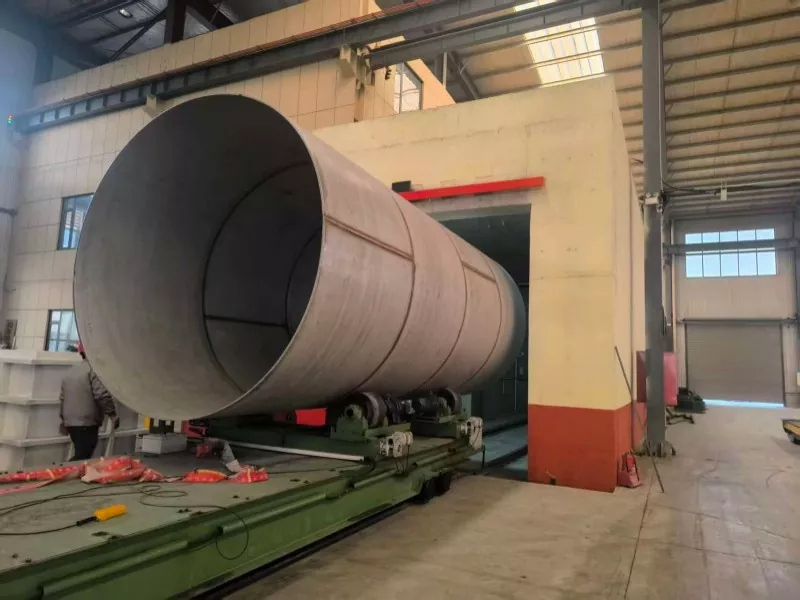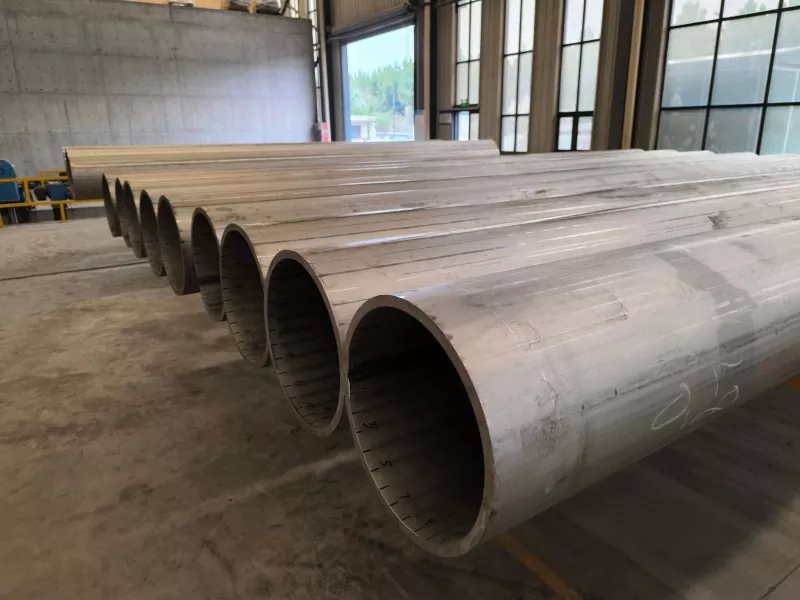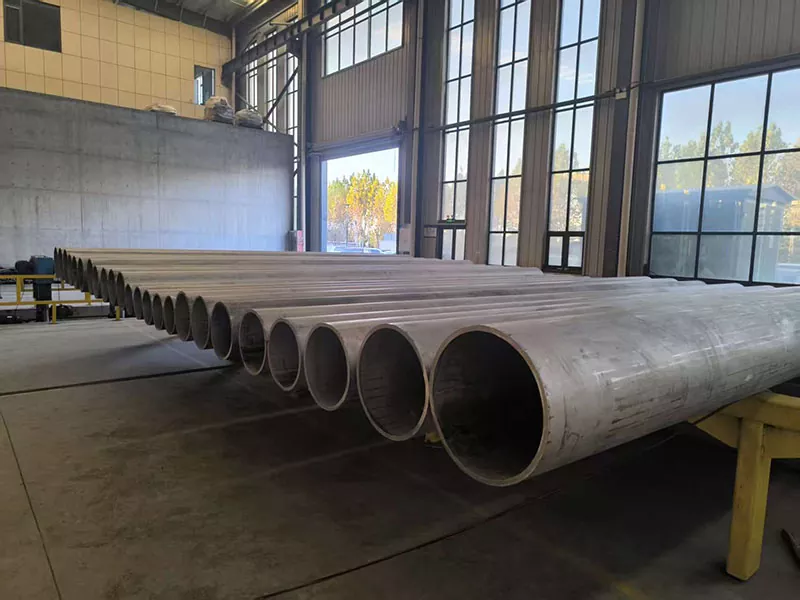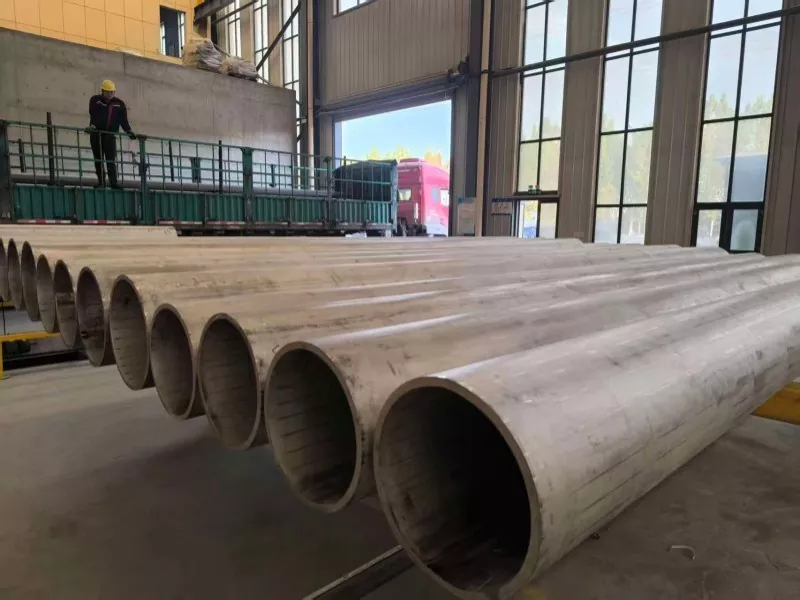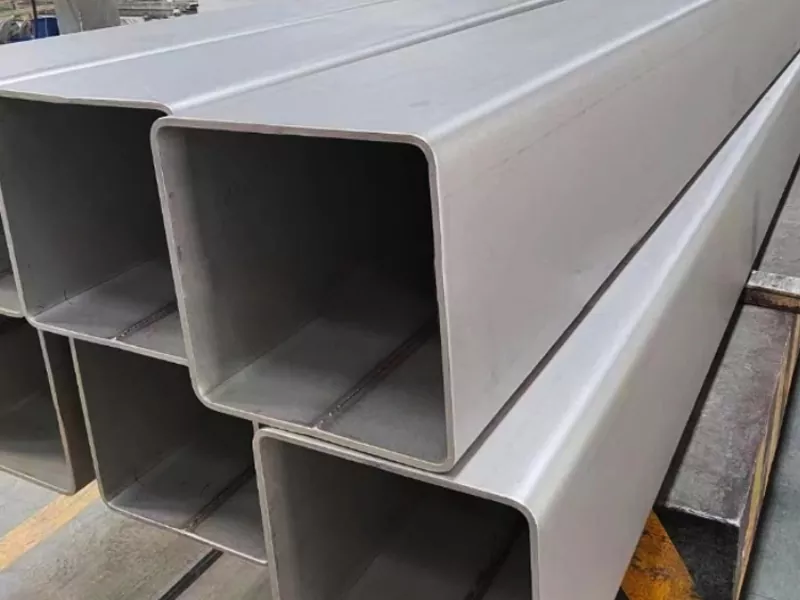
Stainless Steel Welded Pipe
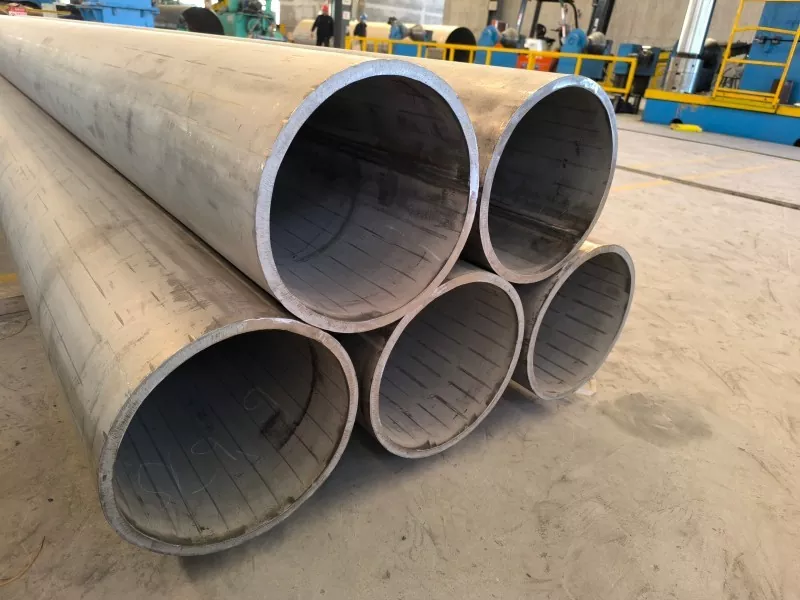
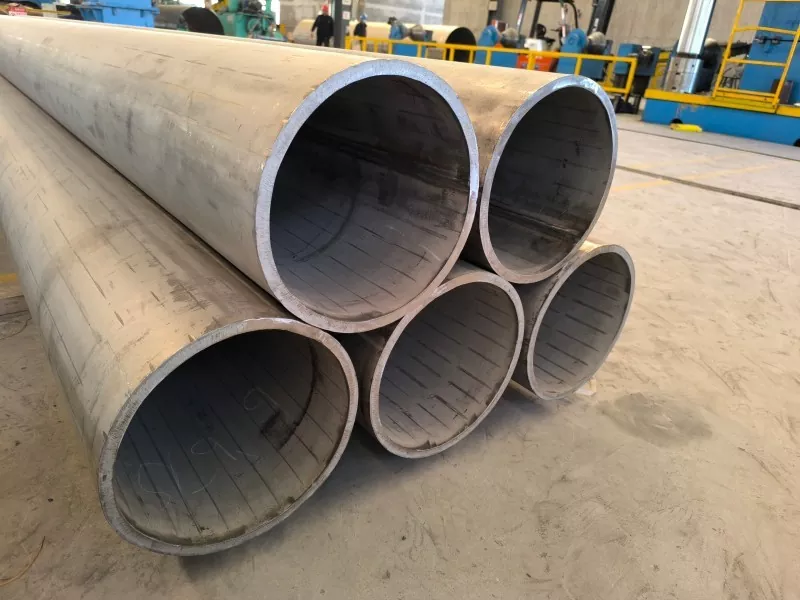
Inside a sprawling chemical processing facility, every pipe segment must resist relentless attacks from acidic vapors, alkaline solutions, and fluctuating temperatures. A single compromised joint can halt production, endanger personnel, and erode months of margin. Engineers and procurement managers once accepted that corrosion was an inevitable cost of doing business. Then they discovered a line of piping that changes that equation entirely. Shiwei Industry And Trade Group Co., Ltd. manufactures Stainless Steel Welded Pipe for Chemical Engineering that transforms fluid handling from a perpetual liability into a controlled, predictable advantage.
Chemical plants handle substances that devour ordinary metals daily. Sulfuric acid streams, chlorinated solvents, hot caustic washes, and mixed organic media generate pit corrosion, stress cracking, and rapid wall thinning. Traditional carbon steel pipes need constant inspection, sacrificial anodes, and liner replacements. Every outage caused by a leaky weld drains profitability and inflates the total lifecycle cost beyond the initial purchase price. Technicians scramble to patch failures while safety officers record near-miss incidents traced back to deteriorated pipe walls. That cycle ends when the piping itself becomes an active part of the defense.
Shiwei Industry And Trade Group Co., Ltd. engineered a stainless steel welded pipe for chemical engineering that addresses these corrosion traps directly. We select austenitic and duplex alloys with precisely tuned chromium, nickel, and molybdenum contents so the passive film regenerates faster than aggressive ions can break it. Our longitudinal welding process uses plasma arc or TIG methods under inert gas shielding, producing a homogeneous fusion zone that matches the base metal in corrosion resistance. The result is a piping system that maintains its integrity through thousands of thermal cycles and aggressive process chemistries.
| Alloy Grade | Key Performance in Chemical Environments | Common Media | Temperature Range (°C) |
|---|---|---|---|
| 304/304L | Good resistance to oxidizing acids, organic solvents, and food-grade chemical lines. | Nitric acid dilutions, acetic acid, washdown solutions | -100 to 400 |
| 316/316L | Enhanced molybdenum content fights pitting from chlorides and halogenated compounds. | Brines, mild chlorinated streams, fertilizer intermediates | -100 to 450 |
| Duplex 2205 | High strength plus superior stress corrosion cracking resistance in hot chloride environments. | Heat exchangers, sour gas condensate, desalination brines | -50 to 300 |
| 904L | Exceptional resistance to hot phosphoric, sulfuric, and mixed acid environments. | Sulfuric acid plants, pickling baths, acidic slurries | -100 to 400 |
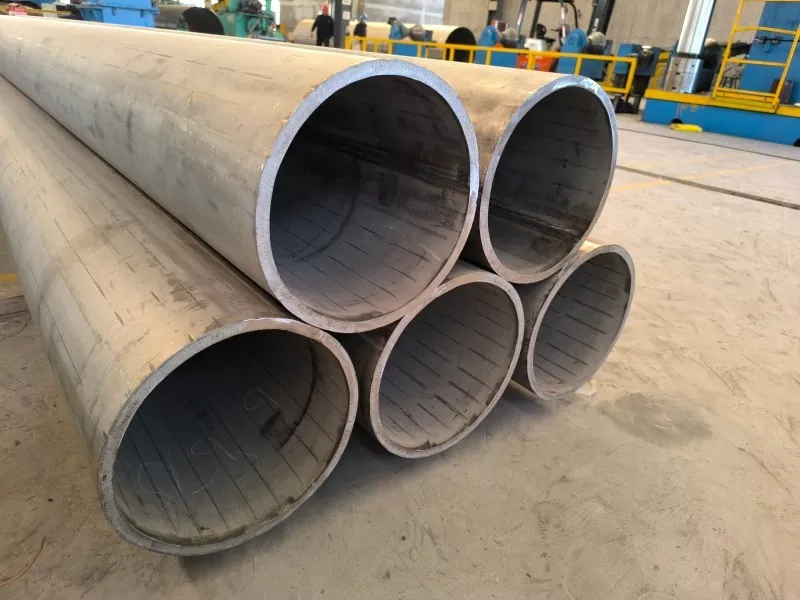
When a petrochemical customer replaced their leaking solvent transfer lines with our 316L stainless steel welded pipe for chemical engineering, unplanned downtime dropped from twelve events per year to zero over eighteen months. The installed cost premium was neutralized within the first eight months by eliminating replacement labor and lost production hours. This is the tangible difference between specifying a vessel-grade pipe and an engineered solution tuned to process chemistry.
These pipes carry more than fluid; they carry the rhythm of a plant's output. From the moment raw feedstock enters the first reactor to the final purification column, every joint in the process dictates yield and safety. Our product integrates into dozens of critical paths across the chemical industry.
Facilities producing agrochemicals, pharmaceutical intermediates, specialty polymers, and water treatment chemicals rely on Shiwei Industry And Trade Group Co., Ltd. stainless steel welded pipe for chemical engineering because the material behaves as a silent partner—never leaching contaminants, never swelling, never hardening the surface where scale can latch.
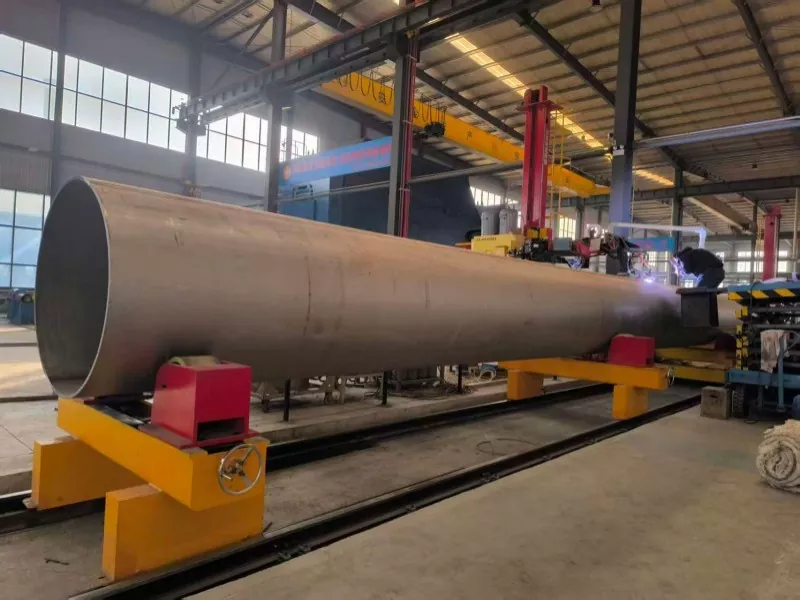
Most welded pipe suffers from depleted corrosion resistance in the heat-affected zone because chromium carbide precipitates at grain boundaries during slow cooling. Our manufacturing protocol controls interpass temperature and post-weld cooling rates with tight tolerances, producing a metallurgical structure that fights corrosion as effectively as the base alloy. Independent third-party tests confirm our welds endure ASTM A262 intergranular corrosion practices without step or ditch structures.
After welding, every stainless steel welded pipe for chemical engineering we produce enters a multi-stage surface treatment line that starts with degreasing, moves through controlled acid mixtures to restore chromium oxide enrichment, and finishes with a passivation layer verified by copper sulfate spot tests. This delivers a satin-smooth inner diameter that minimizes biofilm adhesion and particle accumulation—crucial in high-purity chemical processing.
Slip-fit and welded connections in chemical plants demand roundness and straightness within fractions of a millimeter. Our forming and sizing mills hold diameter tolerance to ±0.5% and wall thickness variation below ±8%, ensuring each length mates perfectly with fittings, orbitally welded sockets, and sanitary clamps. Field crews save hours of alignment time because the pipe arrives true to specification, not just hope.
Shiwei Industry And Trade Group Co., Ltd. embeds a full digital material record with every bundle. Each heat number traces back to the original mill certificate, welding parameter logs, hydrotest results, and eddy current signals. When your quality auditor visits or your client demands documented pedigree, our records are ready. No other source offers this depth of transparency in stainless steel welded pipe for chemical engineering at our value point.
Picture the relief when the night shift manager no longer dreads the hourly walk-through along the solvent corridor. Imagine the confidence of an engineering manager presenting a five-year maintenance forecast with flat pipe replacement curves. That emotional shift—from anxiety to assurance—is what our customers describe after installing stainless steel welded pipe for chemical engineering from Shiwei Industry And Trade Group Co., Ltd. It isn't about flashy buzzwords; it's about the quiet hum of a plant running at capacity, month after month, with zero leak incidents traced to material failure.
One maintenance director told us, "I used to keep a box of flange gaskets and clamp patches in my truck because I never knew which section would drip next. Now I walk the line carrying nothing but a cup of coffee." That tiny anecdote reflects a massive operational transformation. Fluid containment becomes a certainty, not a gamble, and the workforce redirects attention from crisis response to process improvement.
Whether the installation sits in a coastal fertilizer complex where salt spray and ammonia combine, or deep inside a pharmaceutical ingredient plant where sterility and cleanability are paramount, this stainless steel welded pipe for chemical engineering delivers consistent performance. The product adapts to both high-volume commodity chemical flows and delicate, high-value intermediate batches.
Modern longitudinal welding, executed with precision plasma or TIG techniques and controlled heat input, creates a fusion zone that metallographically mimics the base alloy. When post-weld heat treatment and acid passivation are applied correctly, the weld becomes indistinguishable in salt fog and pitting tests. At Shiwei Industry And Trade Group Co., Ltd., we often deliver welded pipe that surpasses general-purpose seamless pipe in surface finish uniformity, because we form from cold-rolled strip with consistent thickness rather than hot-extruded billets that may carry subsurface inclusions. For most chemical services up to 40 bar, the welded option provides equivalent or superior life at a more favorable cost.
After our bright annealing or controlled acid pickling, internal roughness typically measures Ra 0.8–1.6 µm, and we can achieve Ra 0.5 µm upon request. This polished bore discourages microorganism attachment and reduces drag, which matters when transferring shear-sensitive polymers or catalysis-laden slurries. For active pharmaceutical ingredient lines, we can also perform electropolishing to eliminate micron-scale crevices, ensuring minimal extractables and full compliance with cGMP surface guidelines.
Absolutely. Our forming mills routinely produce outside diameters ranging from 10.3 mm to 1219 mm with wall thicknesses from 0.8 mm to 40 mm. We specialize in non-standard schedules and metric-to-imperial conversion dimensions, so if your specification calls for a peculiar 18.5 mm wall in 48-inch diameter for a high-pressure ammonia reactor, we can rotate the mill settings and confirm metallurgical compliance before cutting the first coil.
Every order ships with a Mill Test Certificate per EN 10204 Type 3.1, which includes chemical composition, mechanical properties, hydrostatic test pressure, non-destructive evaluation results, and surface condition reports. For critical applications, we can upgrade to Type 3.2 with independent witness inspection. Our digital archive also stores eddy current and ultrasonic test signature files, so if a question arises years after installation, we can retrieve the exact scan corresponding to a specific heat and length.
We quote firm prices for spot purchases up to 60 days. For extended projects, we offer an alloy surcharge mechanism tied to monthly London Metal Exchange averages for nickel and ferro-chrome plus a fixed conversion fee. This transparent approach protects both parties from raw material volatility while confirming that the manufacturing margin remains stable. Our customers appreciate that they never pay hidden commodity premiums, because Shiwei Industry And Trade Group Co., Ltd. directly owns its coil sourcing and slitting operations.
It depends on the service environment. For most austenitic 304 and 316 grades in moderate chemical streams below 300°C, solution annealing is not required if the pipe has been properly fabricated and passivated. However, for duplex stainless steels used in hot chloride or sour service, we recommend a solution anneal after extensive shop welding to restore optimal ferrite-austenite phase balance. Our technical team reviews each process design and advises whether system-level heat treatment adds measurable service life, helping you avoid unnecessary expense while ensuring safety.
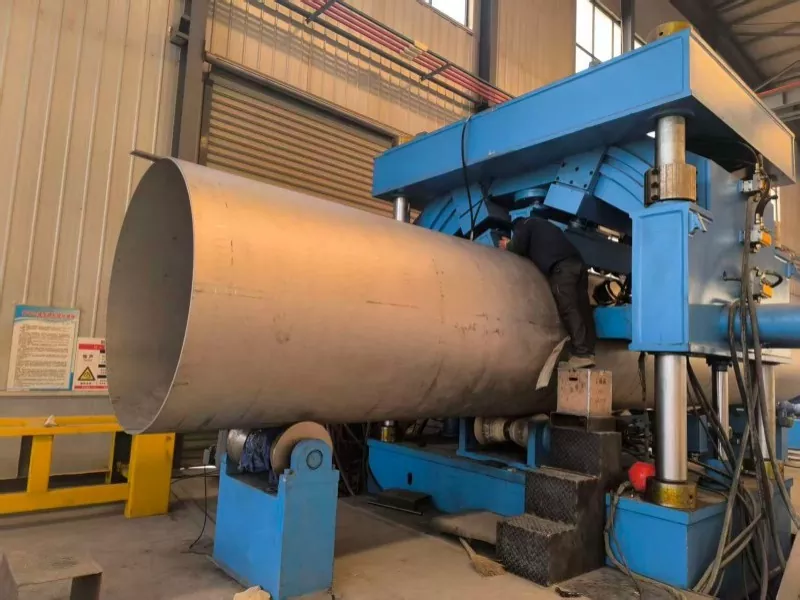
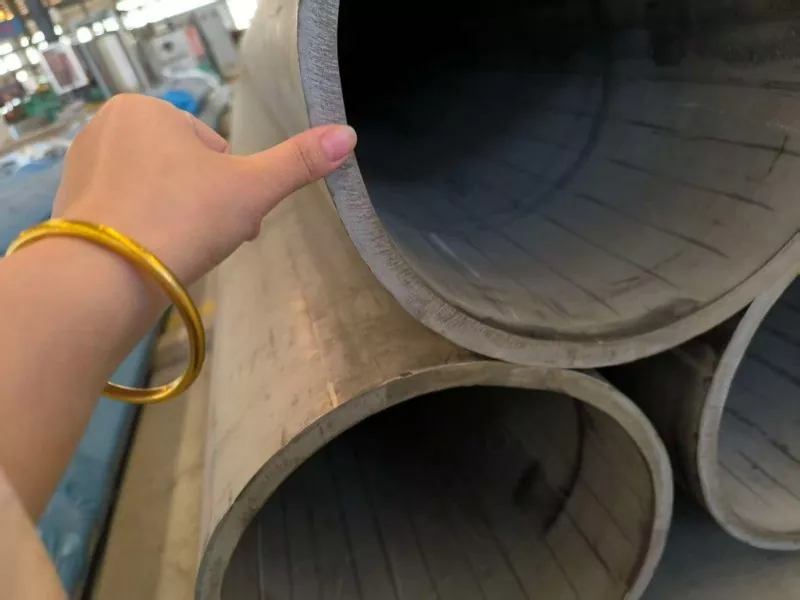
Across chemical parks and industrial complexes in a dozen countries, you will find Shiwei Industry And Trade Group Co., Ltd. stainless steel welded pipe for chemical engineering silently performing. It carries ethers in India, hydrogen peroxide in Germany, acetyl chloride in Korea, and urea liquor in Brazil—each fluid kept strictly separate from the environment and safely on course to its next processing step. That reliability is not accidental. It is the sum of seventeen quality gates, from incoming coil inspection to final bundle wrapping, and a company culture that treats every foot of pipe as a piece of essential infrastructure rather than a commodity.
No single material can eliminate every maintenance task in a chemical plant. But when the piping itself refuses to corrode, refuses to contaminate, and refuses to fail under rated pressure, it takes the largest variable off the table. Engineers can design processes around intrinsic pipe behavior rather than compensatory coatings or inhibitor injections. Maintenance budgets shift from replacing spool pieces to proactive valve and pump care. And production reliability climbs to levels that make annual targets achievable without heroics.
The world's most demanding chemical environments have already validated what our laboratory and field data prove. Stainless steel welded pipe for chemical engineering from Shiwei Industry And Trade Group Co., Ltd. delivers a lower total cost of ownership, higher fluid purity assurance, and simpler operational logistics. When you evaluate lifetime economics instead of initial invoice price, the decision solidifies itself.